Engaging Youth, Families, and Staff
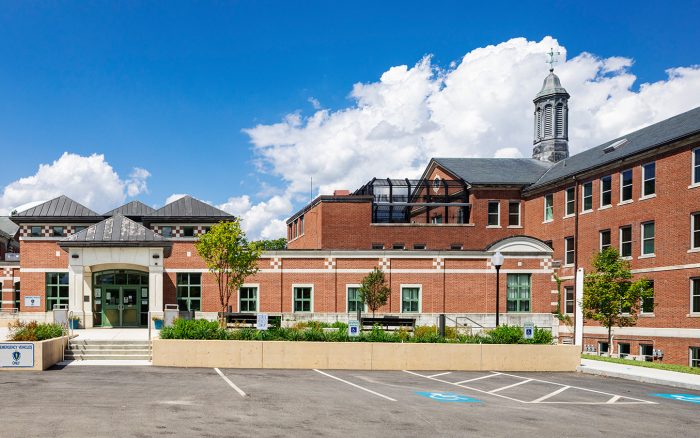
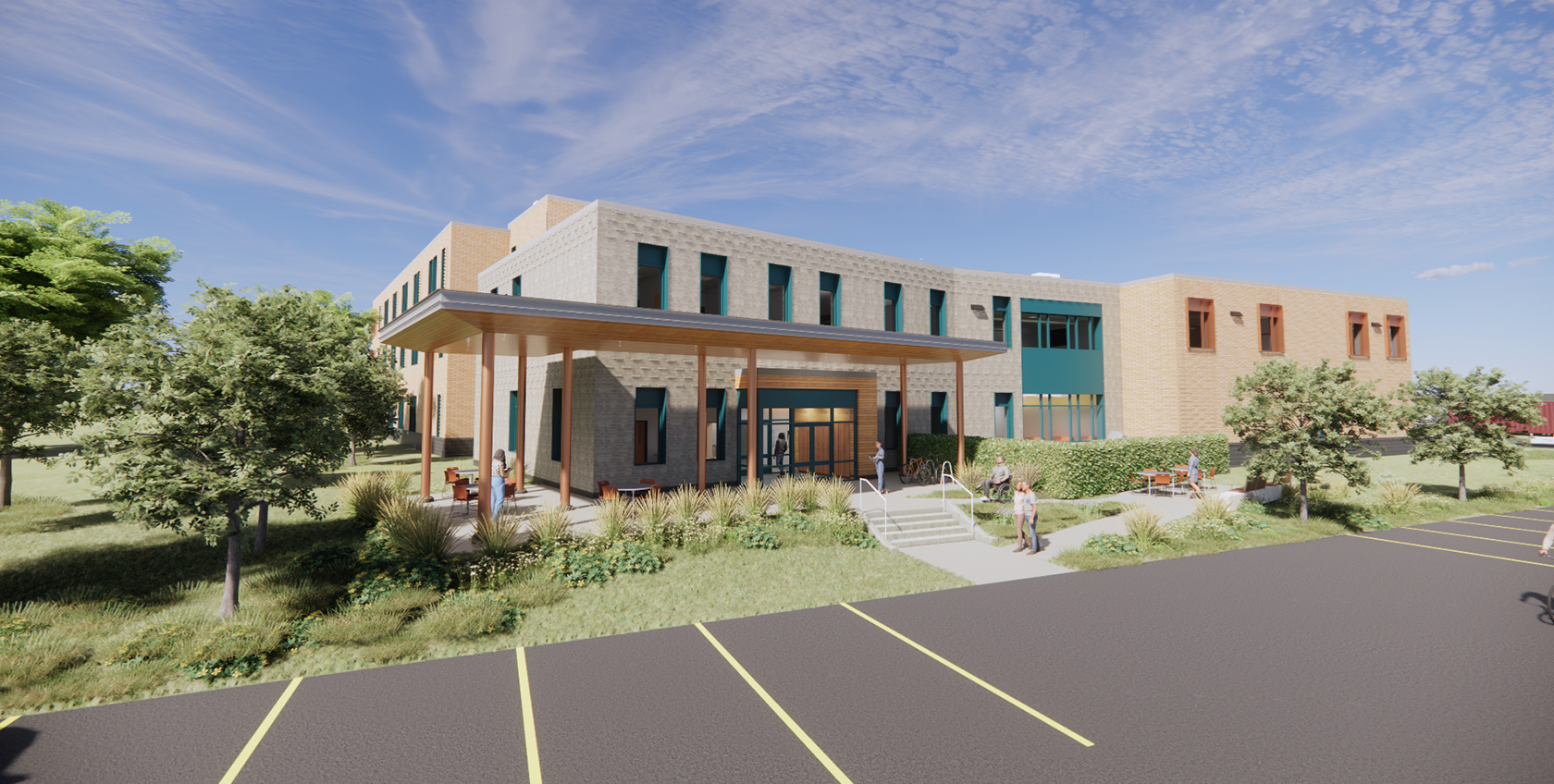
Studio G is providing design services for the DYS Southeast Regional Youth Service Center, now in the construction documents phase. The design process included meaningful engagement with current and former residents, families, and staff to understand their lived experiences within the DYS system and the existing facility. These conversations helped shape a design that supports youth development and healing, strengthens family connections, and responds to the needs of dedicated staff.
Location
MA
Client
Division of Capital Asset Management and Maintenance, Department of Youth Services
Size / Area
58,000 SF
Certifications
LEED Gold (Target)
Residents
45
Ages
14-21
Universal and Trauma-Informed Design
The new 58,000 SF facility is designed for 45 juveniles ages 14-21 in a therapeutic, secure residential program. The team considered site selection and context, program relationships, cost, and sustainability criteria to create an environment that supports residents’ individual growth, physical and mental health, and educational, vocational, and recreational needs.
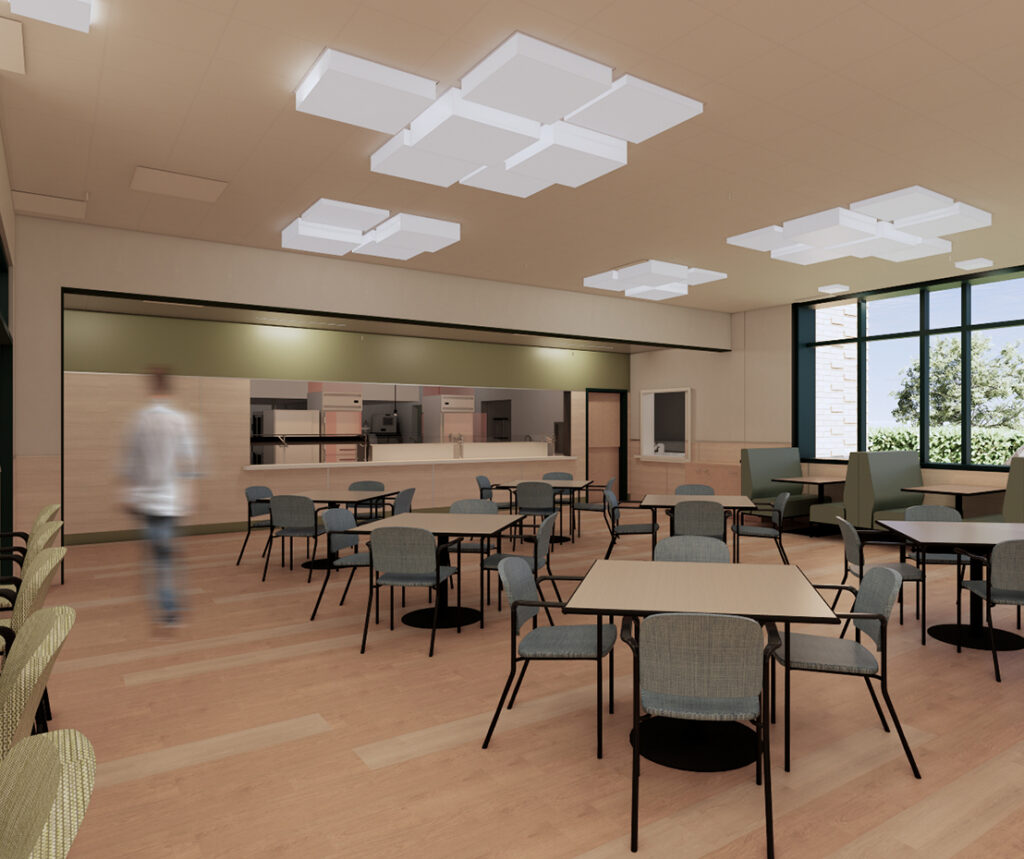
The architecture is rooted in a trauma-informed, universal design philosophy that promotes safety, dignity, and personal agency. The “small town” organization of multiple programs: Welcome, Dining, Dormitories, Education, Health, Intake, and Recreation – creates interconnected “neighborhoods” that are easy to navigate and foster community, independence, and a sense of place.
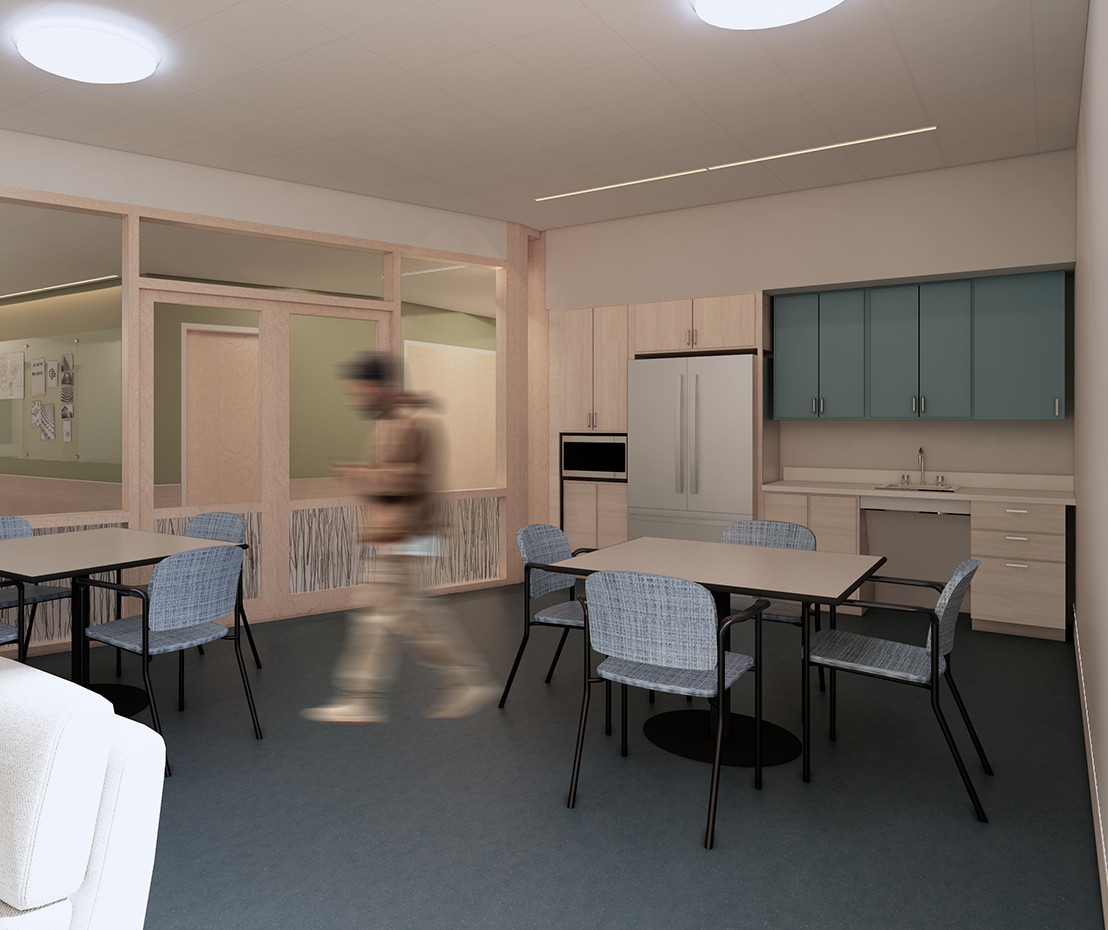
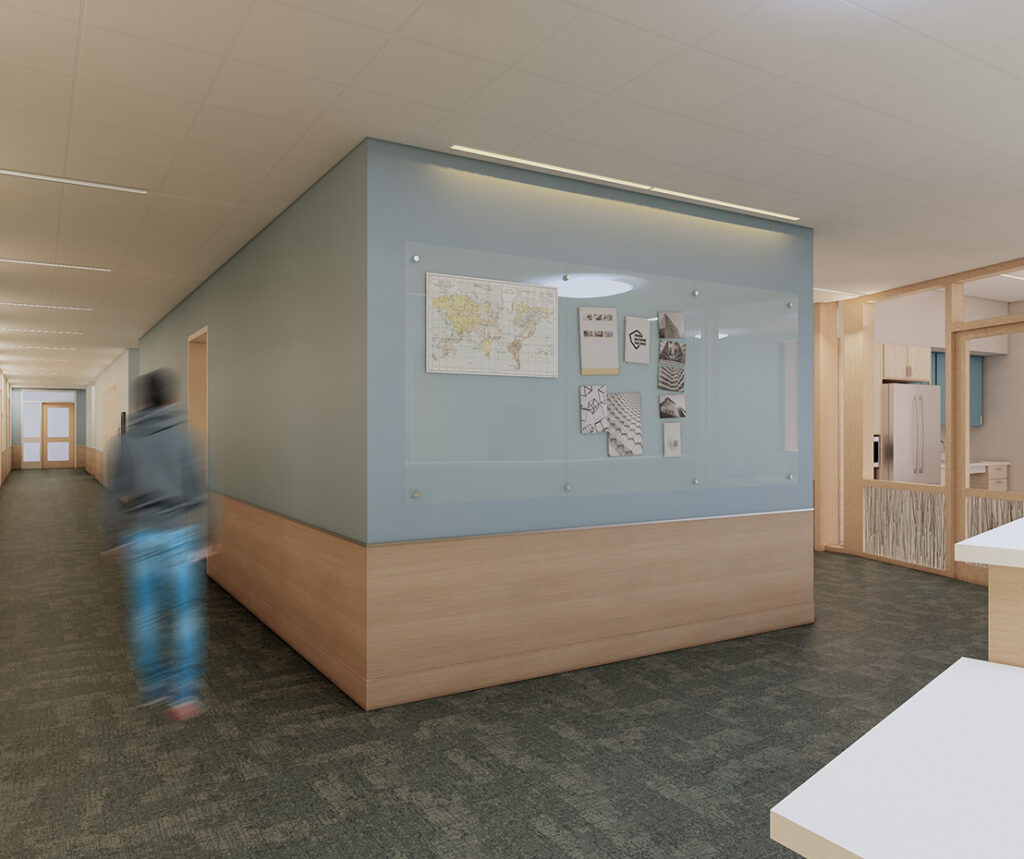
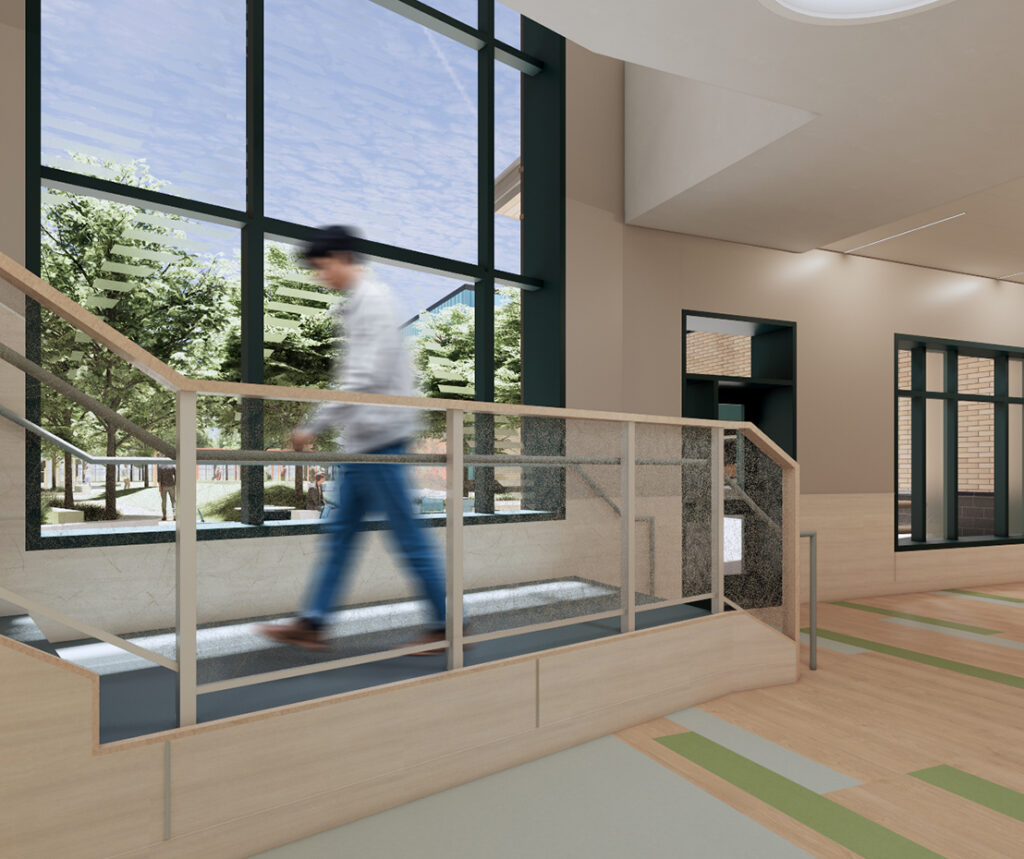
Healthy materials, abundant daylight, and strategic views support physical and emotional well-being. Accessible design and sensory-aware detailing accommodate cognitive, sensory, and neurodiversity needs, while avoiding institutional aesthetics. Each element balances durability and safety with warmth to create a restorative environment.
Sustainability and Climate Resilience
The new DYS Southeast Regional Youth Service Center is designed to achieve LEED Gold certification and aims to be Net Zero Energy-ready. High-performance strategies include optimal solar orientation, a super-insulated building envelope, ground-source heat pumps, efficient low-flow plumbing, and a high window-to-wall ratio that maximizes daylight while minimizing energy demand. Photovoltaic arrays will utilize all suitable roof areas; additional arrays proposed elsewhere on campus will support the facility’s long-term Net Zero goals. Together, these systems reduce environmental impact, lower operating costs, and support resilient, future-ready operations.
Creating a Healing, Home-Like Environment
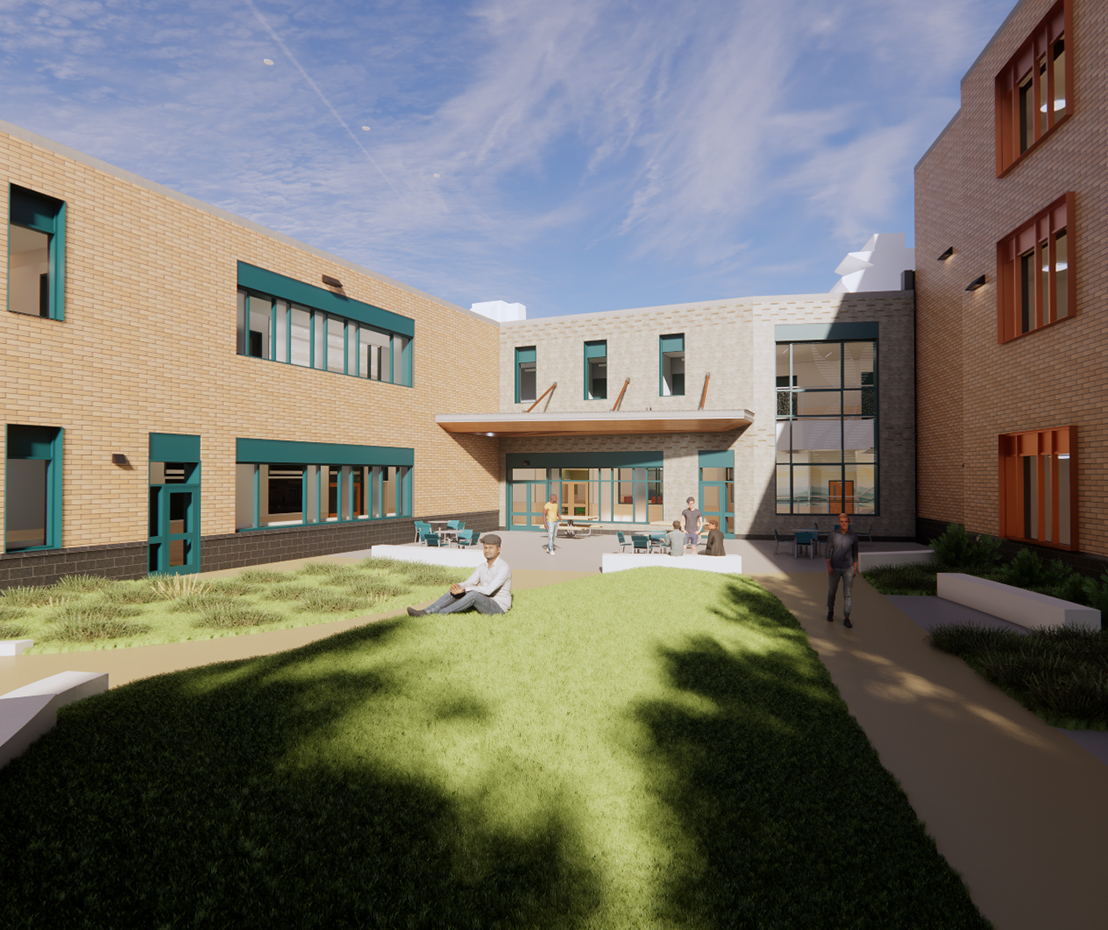
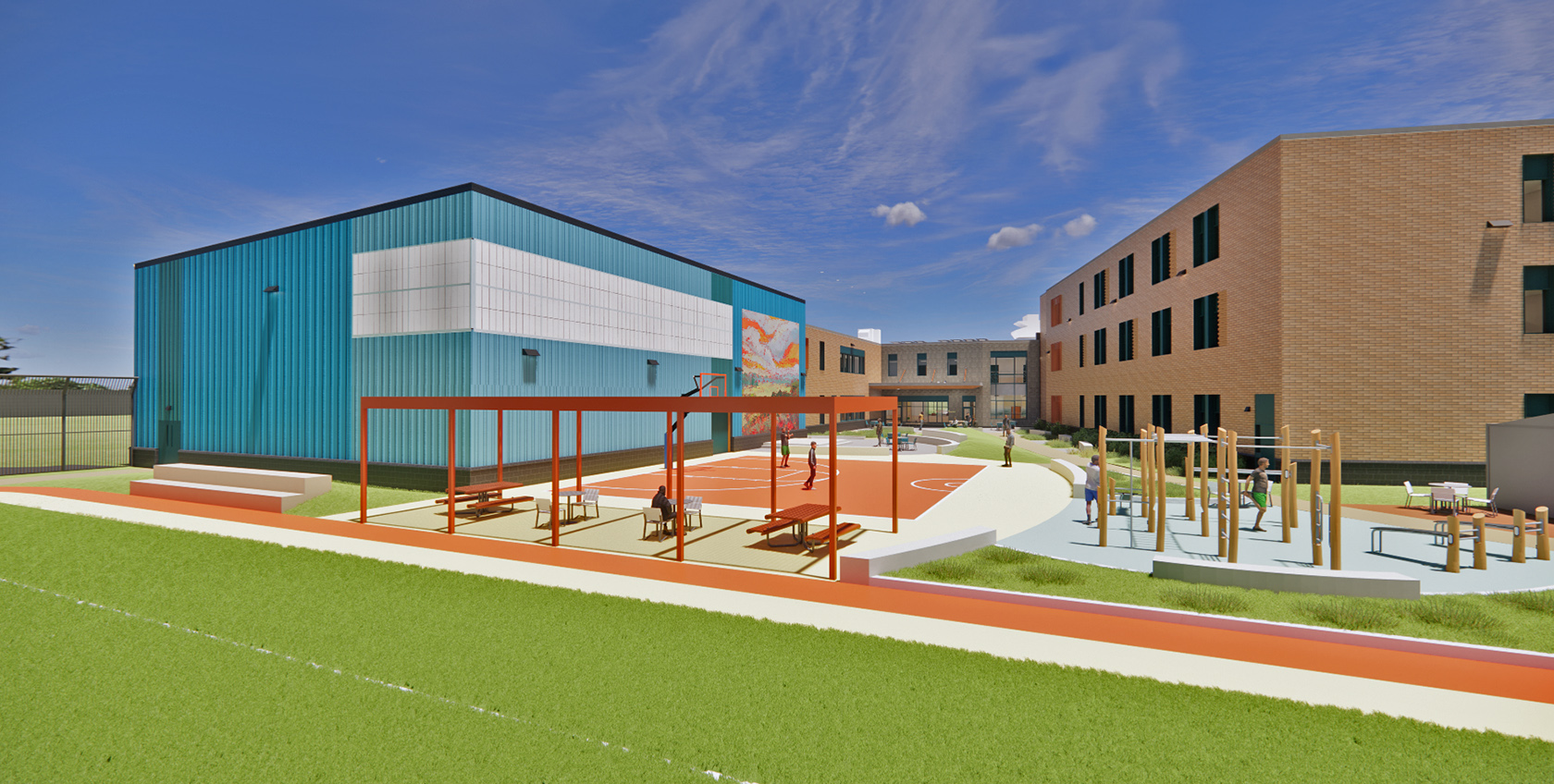
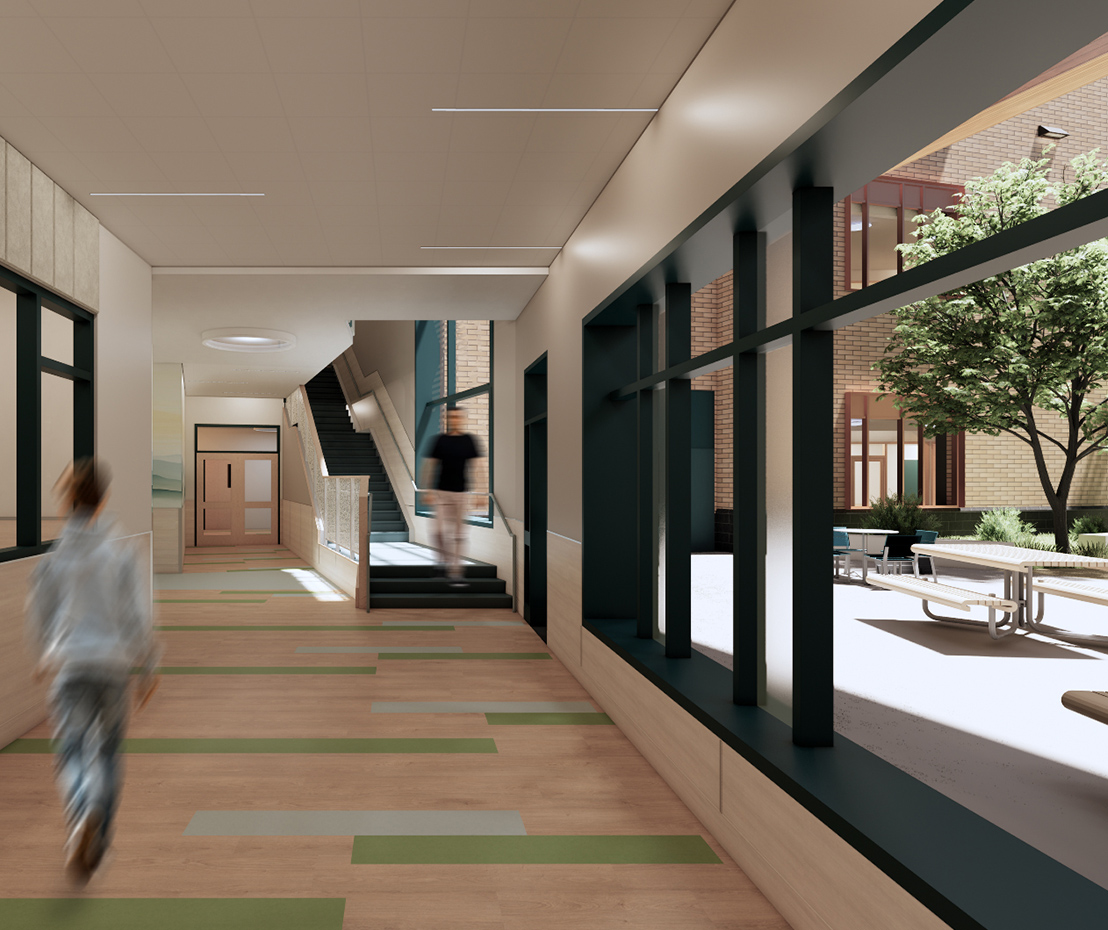
The compact building design surrounds a one-acre central recreational courtyard that serves as the heart of the campus. A three-story residential wing connects to the central two-story wing housing the welcome center, kitchen and dining facilities, woodshop and culinary arts vocational spaces, intake suite and gym at the first floor, and educational spaces and health suite at the second floor. A soothing color palette of greens and blues is seen throughout the building, with the use of wood-look flooring and wainscoting. Lighting throughout the building is varied and dimmable. All these elements create a comfortable, residential feeling.
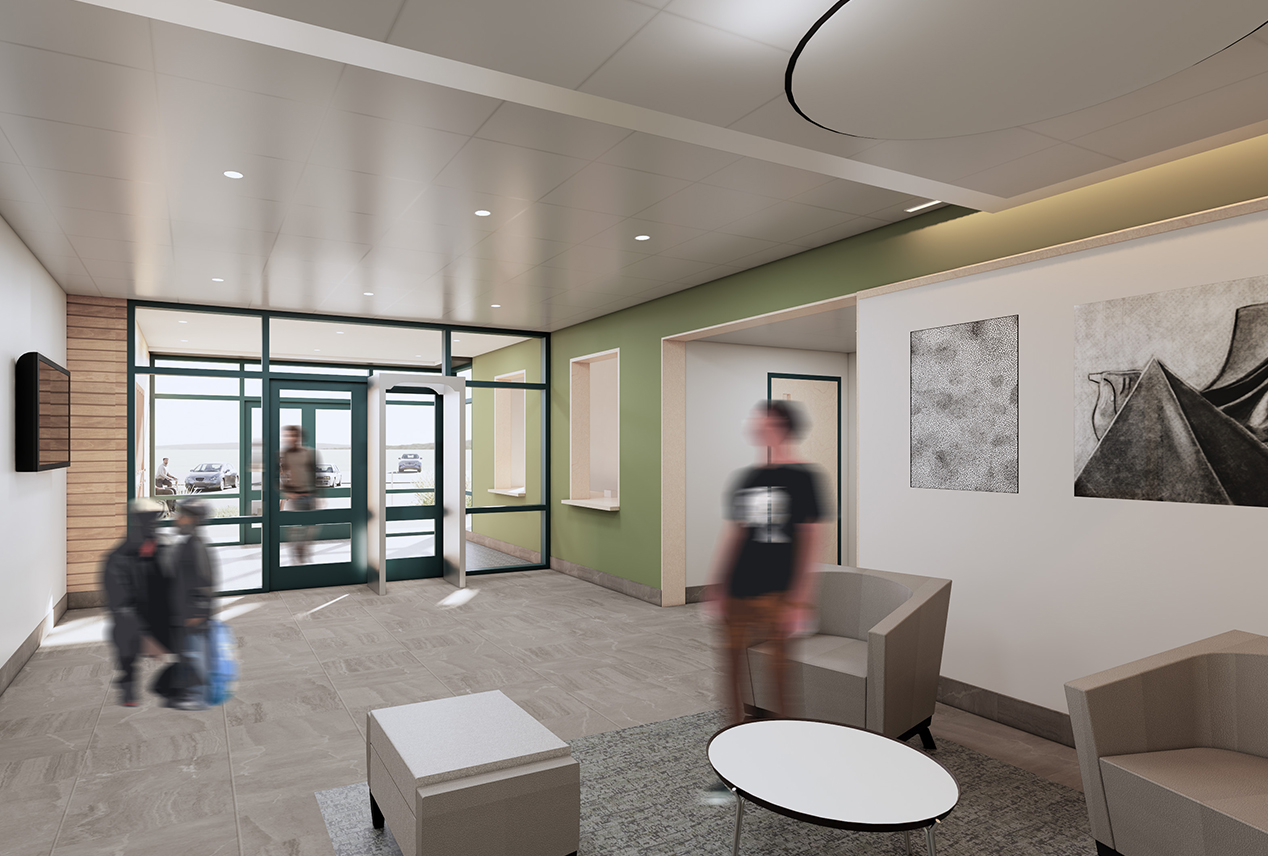
The Welcome Center will feature natural materials, comfortable seating, warm lighting, and a resident artwork wall to create a calm, inviting experience. Continuous views to the courtyard, along with other biophilic elements, reinforce a connection to nature and support emotional regulation.
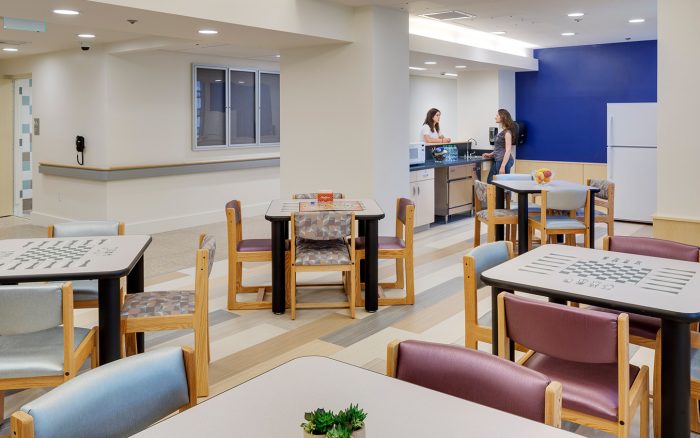
Residential areas are organized into small units, encouraging meaningful interaction between youth and staff. Active and quiet lounges offer choice and agency, while continuous circulation patterns help eliminate institutional character. Sleeping rooms placed along the perimeter provide privacy and daylight, with service spaces internally located for safety and efficiency. To create a home-like environment, a careful selection of warm colors and materials such as resilient carpeting, wood-look floors, and soothing accent colors are seen throughout the dorms. Each bedroom has a wall-mounted reading light to enable resident agency.
The courtyard’s multi-use functions supports recreation, outdoor dining, family visits, and community events. Surrounding plantings and recreation areas further enhance well-being, promote movement, and create opportunities for gathering.
Together, these design strategies promote a sense of community without compromising safety and security of the residents and staff, cultivating a safe, supportive, and enriching environment where young people can heal, learn, and grow.